Countries
Uzbekistan E-commerce Market: A Guide for COD Sellers
The Uzbekistan e-commerce market for COD sellers: population, regions and cities, Uzbek and Russian, the som, cards and apps, marketplaces and social selling.
3 min readControl-V team
In short
Uzbekistan is the most populous country in Central Asia, with about 37.7 million residents in 2025. Online shopping is growing through marketplaces and social selling on Telegram and Instagram. For a COD seller the key facts are: 14 regions led by Tashkent, two languages (Uzbek and Russian), the Uzbek som (UZS), local cards and payment apps, and buyers who often prefer to pay at the door.
Key facts
- About 37.7 million residents (Statistics Committee, April 2025).
- 14 regions: 12 regions, Karakalpakstan and Tashkent city.
- Main cities: Tashkent, Samarkand, Namangan, Andijan, Fergana, Bukhara.
- Currency: Uzbek som (UZS). Cards: Uzcard and Humo. Apps: Click and Payme.
- Marketplaces include Uzum Market, Wildberries and Ozon, which announced its first fulfillment centre in Tashkent in 2026.
Uzbekistan's market is still young, which is both its appeal and its challenge: there are fewer foreign sellers, and buyers who need to be convinced one order at a time.
This is the Uzbekistan e-commerce market as a COD seller needs to see it: who buys, where, in which language, and how they pay.
Who are the buyers?
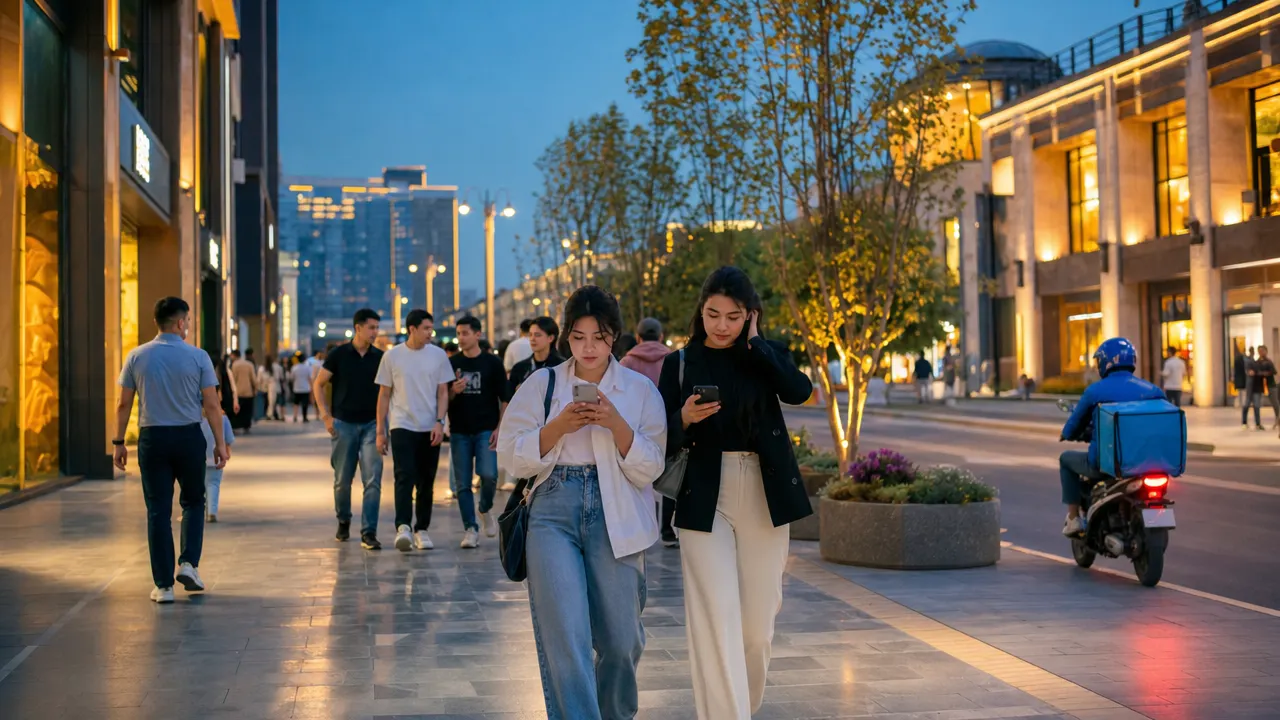
The population is large and young, and it keeps growing: the Statistics Committee counted about 37.7 million permanent residents on 1 April 2025, about 2% more than a year earlier. Most buyers you reach through ads are on their phone, often in Telegram or Instagram.
Where are the orders?
Tashkent is the largest market and the fastest to deliver (usually within 24 hours from a Tashkent warehouse). The Fergana Valley (Namangan, Andijan, Fergana) is dense and well connected. Samarkand and Bukhara are large regional centres. Remote regions such as Karakalpakstan and Khorezm take longer and may cost more to serve.
| Region type | Examples | Delivery from Tashkent |
|---|---|---|
| Capital | Tashkent city | Usually 24 hours |
| Dense regions | Tashkent region, Fergana Valley | 24-48 hours |
| Regional centres | Samarkand, Bukhara, Karshi, Navoi | 24-48 hours |
| Remote regions | Nukus, Urgench, Termez | Can take longer |
Which language should you sell in?
Uzbek is the state language, written mostly in the Latin alphabet. Russian is widely spoken, especially in Tashkent and among urban buyers. Most sellers run ads in both and let the confirmation rate decide. Calls should follow the buyer's language.
How do people pay?
Local cards (Uzcard, Humo) and payment apps (Click, Payme) are widespread, yet many buyers still choose to pay on delivery for a first order from an unknown shop. COD removes the trust barrier; read how cash on delivery works in Uzbekistan.
Marketplaces or your own COD shop?
Marketplaces such as Uzum Market, Wildberries and Ozon bring traffic but set the rules, the prices and the payout terms. Selling COD through your own ads gives you control of the brand, the price and the customer data. Many sellers do both: marketplaces for volume, own COD for new products and better margins.
Frequently asked questions
What is the population of Uzbekistan?
About 37.7 million permanent residents on 1 April 2025, according to the Statistics Committee.
What currency is used?
The Uzbek som (UZS). Prices in ads and at the door are in som.
Is Russian understood everywhere?
Widely, especially in cities. Uzbek is the state language; use both in ads.
Is e-commerce growing?
Yes. Large marketplaces have invested in local warehouses, including Ozon, which announced a fulfillment centre in Tashkent in 2026.
Uzbekistan combines a large young population, growing online habits and a strong preference for paying at the door. Plan for two languages, price in som, and start with Tashkent and the dense regions. When you are ready, ask us for an offer.